
Paracas national reserve animals: habitats and viewing guide
Separate marine, shore and desert wildlife in Paracas National Reserve and choose a responsible visit to suitable habitat.

BallestasIslands.com is an independent travel guide. We are not SERNANP, a reserve authority or a tour operator.
Plan reserve wildlife by habitat. Shore birds and possible flamingos call for a mainland observation plan; the Ballestas colonies require a separate boat visit. A reserve species list is not a list of promised sightings. Use allowed stops and watch from a distance. Leave an unsure sighting unnamed. The animals do not follow a tour plan.
On this page9
- Paracas National Reserve animals by habitat
- Species and habitat reference
- Land, shore and marine viewing limits
- Birds as a practical starting point
- Seasonality and conservation
- Observe without disturbing
- Build a reserve wildlife plan
- Continue with the related guide
- Verdict on Paracas National Reserve animals
Paracas National Reserve animals belong to a marine and coastal landscape, not just the visible desert. The wider reserve includes sea, shores, islands and dry land. A visitor's route covers only part of it. Choose the habitat you want to understand and keep broad species records separate from what a short outing can show.
Wildlife groups and their habitats
A reserve-wide record does not tell you what will appear at one visitor stop.
Details for each option
Animal or group: Chilean flamingo
- Where the source places the interest
- Shallow coastal habitat in the reserve
- Visitor limit
- A flock is not guaranteed at a fixed stop
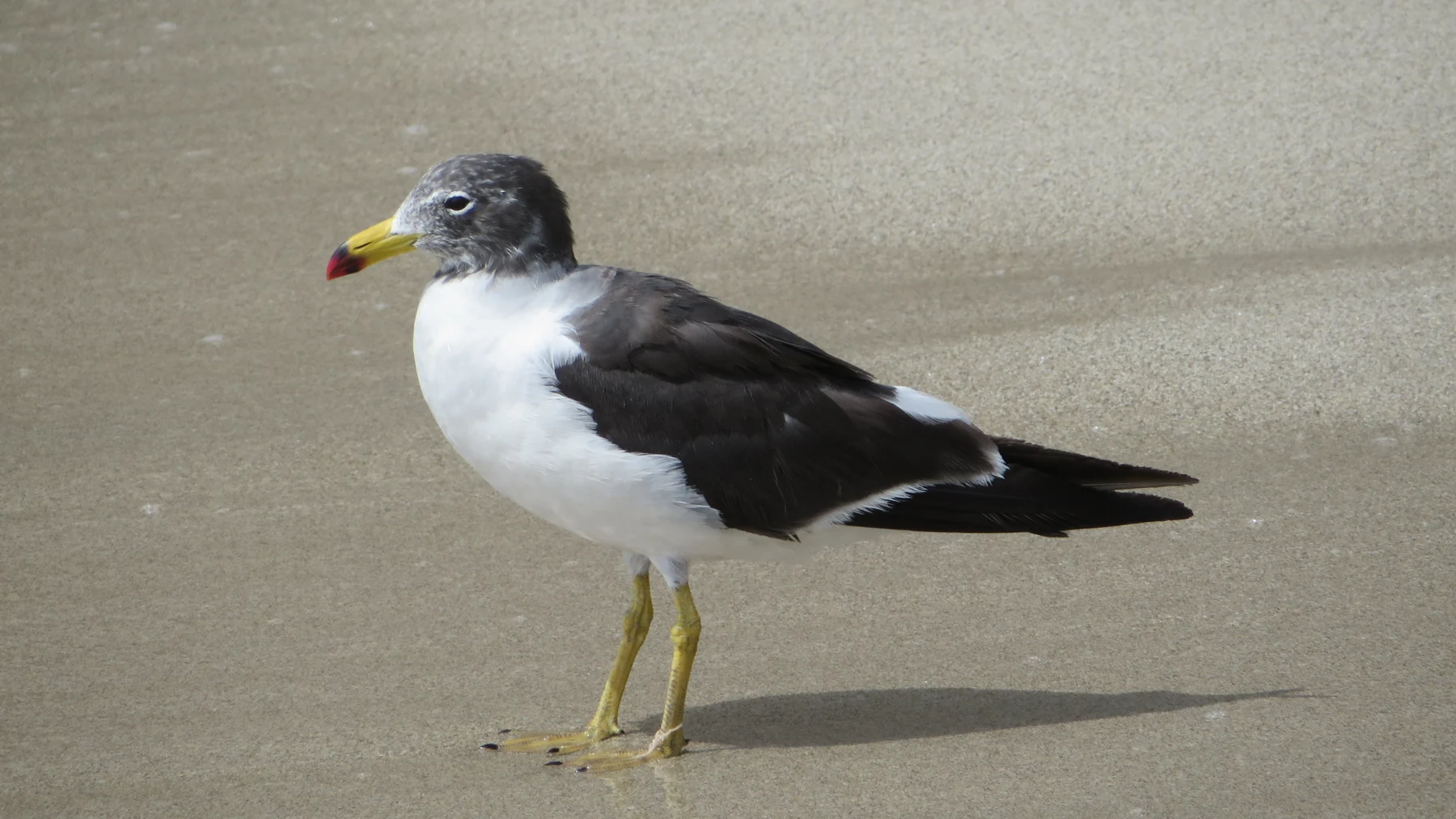
Animal or group: Coastal gulls and terns
- Where the source places the interest
- Shore and marine settings
- Visitor limit
- Age and light can obscure identification
Animal or group: Humboldt penguin
- Where the source places the interest
- Coastal and rocky marine habitat
- Visitor limit
- The animal may be distant or out of view
Animal or group: Marine invertebrates
- Where the source places the interest
- The wider marine ecosystem
- Visitor limit
- A reserve drive is not an underwater survey
Animal or group: Sea lions
- Where the source places the interest
- Marine-coastal wildlife interest
- Visitor limit
- Choose a suitable viewing trip, not a promised close encounter
Sources and limits are explained in the guide · · Table by Ballestas Islands
Paracas National Reserve animals by habitat
SERNANP's protected-area reference describes the reserve's marine and coastal wildlife. Checked October 2026. Its scope is wider than a drive through the main visitor stops. The sea is part of the protected landscape too.
This matters when reading a long species list. A fish or marine mammal recorded in the reserve may not be visible from a roadside viewpoint. A bird associated with one island need not appear at every beach.
Start by choosing sea, shore or land. Then ask which permitted visitor setting fits that interest. Ask what you might see at the chosen stop. A list for the whole area does not answer that question.
Species and habitat reference
The table gives groups a visitor can use to choose a route. It is not a complete checklist, and it does not assign live population totals. Source records and a tourist's view answer different questions.
The official bird guide, published in 2014, gives more detailed bird descriptions. Use it for appearance and historical habitat notes. Check current access before visiting the named places.
Land, shore and marine viewing limits
A scenic land tour may stop briefly at a viewpoint. That can show the scale of the coast without giving much time to identify birds. If wildlife is the main aim, ask for an outing that allows observation rather than simply the highest number of photo stops.
At the shore, use optics from permitted places. Do not enter the shallows to shorten the distance to a flock. A bird that keeps feeding is a better outcome than one forced to move away.
For the marine setting, choose the right vessel and route. The Ballestas animal guide focuses on a separate offshore outing. Do not assume a mainland entry ticket also buys that boat trip.
The distinction also works the other way. Seeing rocks and birds from a boat does not complete a visit to the reserve's mainland routes. Read the stop list. “Paracas” can describe more than one kind of trip.
Birds as a practical starting point
Birds are a useful way to begin observing the coast because you can notice them from land without entering their habitat. Start with body shape and behaviour. A bird feeding at the water's edge gives clues that a distant silhouette may not.
The Paracas bird guide separates several groups and the limits of old location records. The flamingo page explains why a mainland habitat plan is different from an island sailing.
Keep photographs honest. A credited image proves a photographed scene, not current abundance. Your own wide image can record habitat more clearly than an extreme crop that hides distance and uncertainty.
If you cannot name a bird, describe it. Size, position and movement are useful observations. They can help a guide later without creating a false record today.
Seasonality and conservation
Wildlife moves and conditions change. A record shows what someone saw in that month. It is not a promise for your visit. Sea conditions and food can affect what is visible in marine settings.
For conservation status, use the correct scientific name and a dated assessment. Do not treat an old field guide's threat symbol as the current global label. National legal categories are also distinct from global assessments.
Some animals are hard to see even in a protected place. Some visitor areas may close when conditions change. Management may restrict an approach for reasons that matter more than a photograph. Respect those decisions even if a supplier's older itinerary still lists the stop.
This guide does not quote a count for an entire animal population from a brief tourist view. A survey has methods, dates and a defined area. Counting shapes in one picture cannot replace that work.
Observe without disturbing
Do not feed, call or touch wildlife. Keep food packed and carry waste out. Avoid leaving a bag unattended while following a bird with the camera.
Stay behind barriers and use the designated visitor spaces. Watch how animals respond to your presence. If they move away, stop the approach instead of following them farther across the habitat.
Tell reserve staff or your guide about an injured animal. Do not attempt to handle it for a rescue photo. A responsible report gives the location and lets the authority decide the next step.
For children, set a simple aim before arriving: look, listen and leave the animals free to continue. A patient observation can teach more than a rushed attempt to get close. Let each person share something they noticed rather than compete for the longest list.
Build a reserve wildlife plan
Choose the habitat first, then the current permitted route and transport. Ask whether your guide brings binoculars or a scope. If you bring your own, make sure you can use them comfortably.
Ask how much time the outing leaves at each observation point. A schedule packed with scenic stops can be the wrong fit for a patient wildlife interest. Tell the supplier which part matters most and ask what can realistically be included.
Use the reserve visiting guide for the land-trip setting. Compare reserve tours for transport and stops, with the animal interest stated clearly before booking.
Keep a useful alternative if the hoped-for animal is absent. The shape of the bay, other coastal birds and the relationship between desert and sea still form a worthwhile visit. Do not turn a missed sighting into pressure to enter a restricted place.
Continue with the related guide
Verdict on Paracas National Reserve animals
Plan to watch Paracas National Reserve animals in the places you may reach without harm. Keep marine and mainland trips distinct, use current access advice and qualify uncertain sightings. The strongest plan gives time to observe the coast as it is, without promising that a reserve-wide species list will be waiting at each stop.