
Things to do in Paracas: boat, reserve and base activities
Choose a Ballestas boat, reserve land circuit, site museum or town break, with sample sequences for short and overnight stays.

BallestasIslands.com is an independent travel guide. We are not SERNANP, a reserve authority or a tour operator.
Use Paracas as a base for two distinct settings: wildlife offshore and desert coast on land. A short visit needs a clear priority, while an overnight stay leaves more room for both. This directory gives each activity a location, time-allocation guide and cost checks. The sample sequences are planning choices, subject to confirmed opening, transport and weather.
On this page17
- Choose things to do in Paracas for the time you have
- 1. Take the Ballestas boat trip
- 2. Explore the mainland reserve by vehicle
- 3. Visit the Julio C. Tello site museum
- 4. Walk the El Chaco waterfront
- 5. View Playa Roja from the permitted area
- 6. Plan a beach break at La Mina
- 7. Watch coastal birds from an allowed viewpoint
- 8. Make time for a meal by the bay
- 9. Use an overnight stay to separate the outings
- Short-visit sequence: protect one main outing
- Overnight sequence: sea and land on separate blocks
- If the boat cannot run
- Current restrictions and costs to check
- Choose and book the right visit
- Keep a simple record of the final plan
- Verdict on things to do in Paracas
The main things to do in Paracas are a Ballestas boat trip, a mainland reserve circuit and time along the El Chaco waterfront. Add the Julio C. Tello museum or a permitted beach stop to suit your interests. Choose the sea and land outings separately before filling the rest of your stay.
Activities by place and planning task
Choose one main outing, then add flexible town, food or shore time around the confirmed route.
Details for each option
Activity: Ballestas boat trip
- Where
- Offshore, departing from the Paracas waterfront
- Time to protect in your plan
- One confirmed departure block plus check-in
- Costs or permissions to check
- Boat fare, island entry, pier charge and port status
Activity: Reserve land circuit
- Where
- Mainland coastal reserve
- Time to protect in your plan
- A substantial part of the day
- Costs or permissions to check
- Vehicle, reserve entry, permitted stops and guide service
Activity: Julio C. Tello museum
- Where
- Inside the reserve
- Time to protect in your plan
- A deliberate gallery visit plus transport
- Costs or permissions to check
- Museum admission, opening day and special notices
Activity: El Chaco waterfront walk
- Where
- Town seafront
- Time to protect in your plan
- A flexible break around other plans
- Costs or permissions to check
- Public access, belongings and any paid stops
Activity: Playa Roja viewpoint
- Where
- Reserve circuit
- Time to protect in your plan
- A view stop within the land outing
- Costs or permissions to check
- Current access and where visitors may stand
Activity: La Mina beach break
- Where
- Reserve coast
- Time to protect in your plan
- Enough time ashore to justify the journey
- Costs or permissions to check
- Current conditions, access and a confirmed return
Activity: Birdwatching from shore
- Where
- Permitted coast and wetland viewpoints
- Time to protect in your plan
- An unhurried observation period
- Costs or permissions to check
- Access, distance from wildlife and any guide fee
Activity: Meal in town or at a hotel
- Where
- El Chaco or the wider bay
- Time to protect in your plan
- A real meal break before a fixed departure
- Costs or permissions to check
- Menu, kitchen hours, reservation and transfer
Sources and limits are explained in the guide · · Table by Ballestas Islands
Choose things to do in Paracas for the time you have
Start by choosing one main outing. If wildlife from the water is the reason for travel, organise the Ballestas departure first. If the coast, beaches or museum matter more, protect time for the land circuit. A busy package can fit several names without giving much time to the place you care about most.
Then add one flexible activity near your base. A waterfront walk or meal can work around a confirmed excursion. Keep an onward coach, hotel check-in and bag collection in the plan. These tasks use real time even though they do not appear on an attraction list.
This guide's time allocations describe what to reserve in your plan, rather than fixed journey times or opening hours. Get the actual meeting, departure and finish from the responsible operator. Allow extra room when separately booked services must connect.
1. Take the Ballestas boat trip
Where: offshore from the Paracas area, with the meeting point set by your operator. Time: protect the full confirmed outing and its check-in buffer. Cost check: the boat service, protected-area entry and pier charge. Ask which are included before paying any charge twice.
The appeal is the island setting and the wildlife visible from the boat. You may see sea lions and seabirds, with Humboldt penguins among the species recorded at Ballestas. Sightings depend on where the animals are and what the permitted route allows on that departure. A photograph in an advert is not a promise of a close view.
The official MINCETUR Ballestas record describes the islands and the visitor approach from El Chaco. It is useful geographic context. Its older operational figures should not replace a current departure confirmation. Checked October 2026.
Ask about boarding if you have difficulty with steps, balance or moving between a pier and boat. Describe the need before payment so the operator can answer about the actual vessel. Do the same for children, since suppliers can set different age limits for different products.
Protect the rest of the day from uncertainty. A port closure can stop a boat even when you have travelled to Paracas. Ask for the refund, rebooking or replacement choices, and decide which you would accept. Leave enough room to eat and collect bags before any onward journey.
Make wildlife viewing the activity
Take time to watch what the animals are doing rather than focusing only on a species count. Notice where the sea lions rest, how birds use the rocks and which animals are in the water. A distant view can still be worthwhile without a close approach.
Listen to the crew's instructions and keep belongings secure. Do not encourage a closer approach that disrupts resting or nesting wildlife. Leave feeding, touching and attempts to draw animals towards the boat out of the plan. The visit should work around the animals' space.
2. Explore the mainland reserve by vehicle
Where: the mainland Paracas National Reserve. Time: give the chosen circuit its own large block. Cost check: reserve admission, the whole vehicle service, guide scope and any museum visit. Entry alone does not provide transport between the stops.
Choose this outing for the meeting of desert and sea. The official northern visitor circuit groups a set of beaches and viewpoints along the reserve roads. You do not need to visit every one. Choose a route that gives useful time at the kind of stop you want.
SERNANP's visitor information names the Santo Domingo entry point. Its northern circuit map is a good starting point for a route discussion. Checked October 2026. Follow current access instructions, since a published map is not a live road notice.
You can compare a set shared circuit with a private vehicle plan. A shared route reduces the tasks you arrange but gives less control over stop length. A private quote can protect more time at one place, although admission and a guide may still be extra.
Ask where the circuit ends. A return to your hotel, a tour office and a coach terminal are different outcomes. If you have a fixed onward booking, build the buffer from the actual return point. Avoid a route whose last stop leaves the final transfer unclear.
3. Visit the Julio C. Tello site museum
Where: the Museo de Sitio Julio C. Tello de Paracas, inside the reserve. Time: protect time inside the galleries as well as the drive. Cost check: the museum's own admission, not just the reserve ticket. A named venue and a clear visit period should appear in a museum-led itinerary.
The Ministry of Culture's official directory identifies the archaeological museum and its location. Checked October 2026. Check its current opening day and special-date notices before building a circuit around it. Reserve hours do not establish museum hours.
This is different from the reserve's interpretation centre. When a seller says “museum included,” ask which building it means. Also ask whether you enter the galleries or simply stop outside. These details matter more than the general label if archaeology is your main interest.
Allow yourself to read and look closely. Choose a small number of displays to follow rather than hurrying through every room. For a family, an object or story on a label can give a better focus than a long checklist of things to photograph.
Do not make the visit depend on an object seen in an old online photograph. Displays can change. If one exhibit is essential to your interest, ask the museum whether it is on view. Follow the venue's rules on photography and movement through the galleries.
Pair the museum with fewer coastal stops
The museum can fit within a land visit if the route protects enough time for it. Ask which other stop would be shortened. A seller who simply adds another name without changing the schedule has not shown how the visit will work.
For mixed interests, agree on the balance before departure. Some of the group may prefer a beach break, while others want gallery time. A private plan can sometimes separate those aims, but it still needs a clear meeting place and a driver who knows the agreed arrangement.
4. Walk the El Chaco waterfront
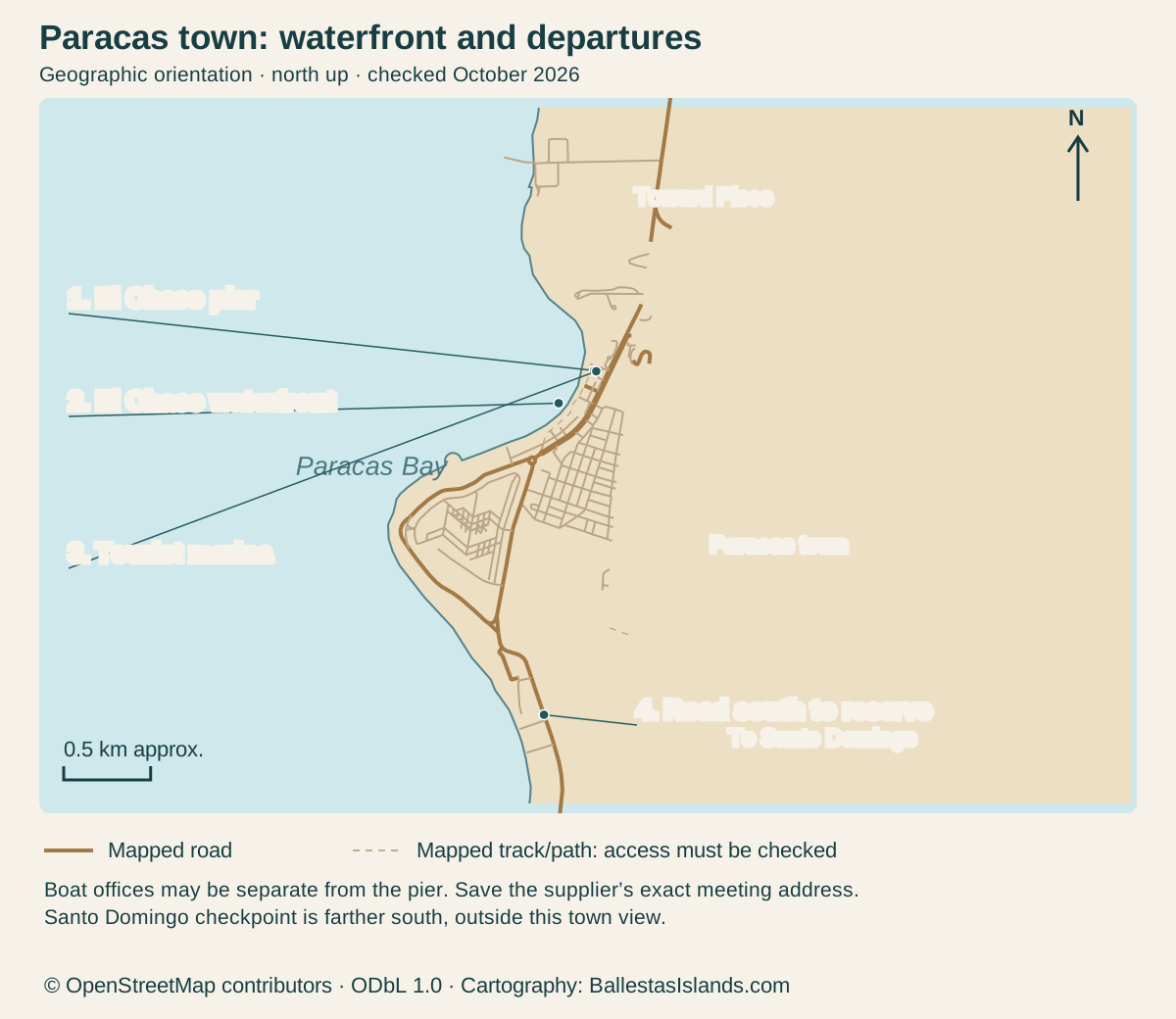
Where: the town seafront at El Chaco, Paracas. Time: use it as a flexible break, with room to stop for food. Cost check: the walk itself is separate from anything you buy or book along the way. Confirm the meeting place before leaving for a stroll.
The waterfront helps you get your bearings. Find your tour office, the pier approach and the route back to your lodging while you have time to spare. A relaxed walk is more useful before check-in than trying to find all three places moments before a boat leaves.
Keep active working areas and boarding queues clear. The waterfront serves local transport and businesses as well as visitors. Stop where you can look without blocking access, and ask before entering an area that appears to belong to an operator or facility.
Do not treat the town shore as interchangeable with a reserve beach. The setting, permitted uses and water conditions can differ. If swimming is the goal, choose a specific permitted beach and check its conditions rather than entering simply because the water looks calm beside the town.
For a short stay, a walk and meal can be a useful activity in their own right. They leave more control over the clock than adding another vehicle outing. Keep valuables secure, watch your bags at a table and leave enough time to get back to the confirmed meeting point.
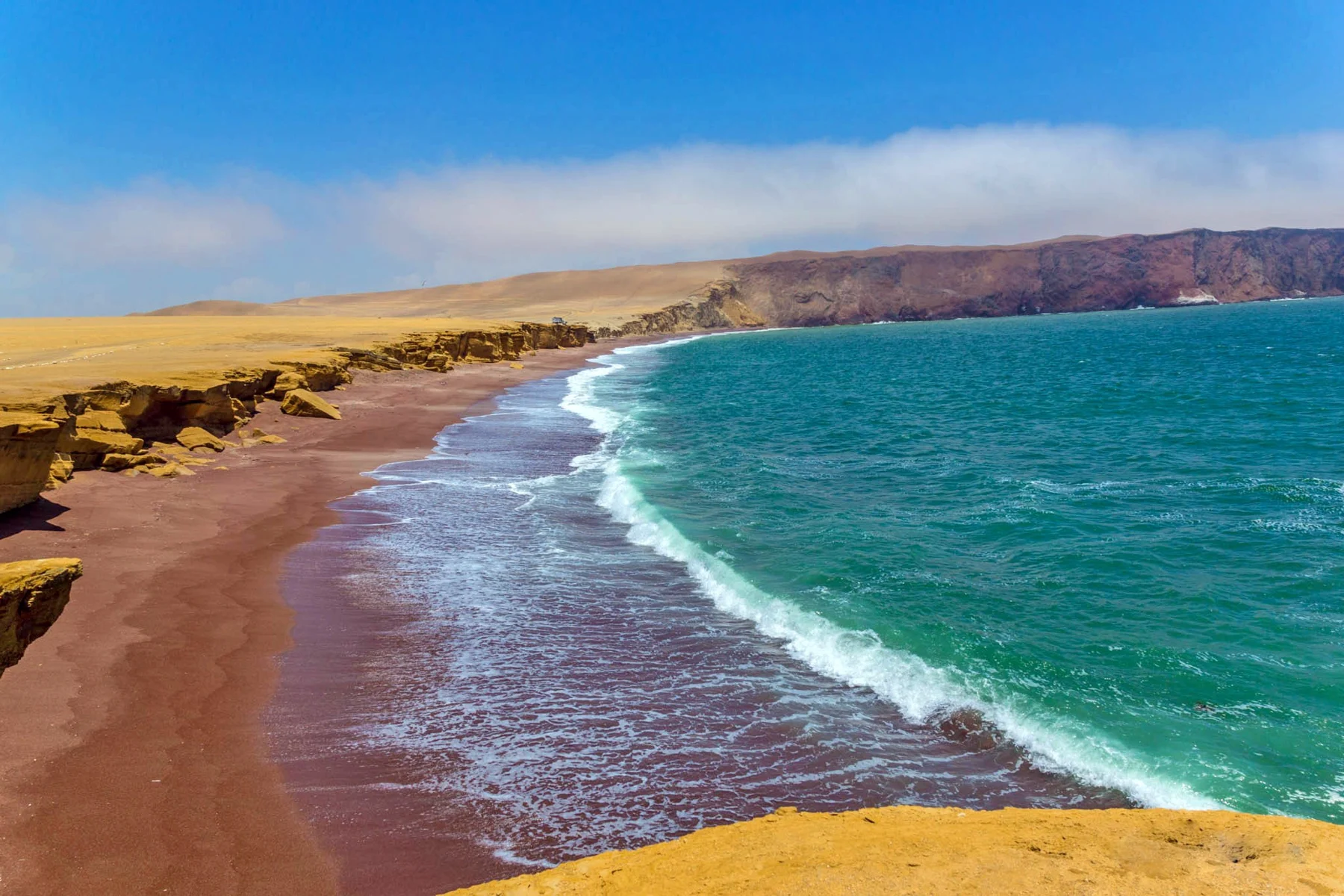
5. View Playa Roja from the permitted area
Where: Playa Roja within the reserve circuit. Time: plan a viewpoint stop as part of the land route. Cost check: reserve admission and the transport that reaches and leaves the stop. Check where visitors may stand when you arrive.
The red shore against the dry coast makes this a distinct landscape stop. The official northern circuit map marks it as a viewpoint. It does not give it the bathing symbol used for some other beaches. Plan to enjoy the view rather than converting the stop into a swim.
Use the permitted viewpoint and respect any barriers or ranger instructions. A route used in a photograph may not be a lawful visitor approach now. Do not walk down a closed path or onto a cliff edge just to match a familiar angle.
Keep the stop simple if it is part of a longer circuit. Allow time to look, then return to the agreed vehicle point. You can choose a different beach for a longer break instead of making the driver and group wait while the plan changes.
For photography, pay attention to footing and other visitors. Wind can affect balance and loose belongings. Put the camera away while moving over awkward ground, then stop in a stable place for the view. A clear photograph is not worth moving beyond a marked safe area.
6. Plan a beach break at La Mina
Where: La Mina on the reserve coast. Time: reserve a real shore break plus the drive, rather than treating it as a quick photo stop. Cost check: admission, transport and any waiting time. A confirmed return is part of the activity, especially if you are dropped off separately.
SERNANP's northern circuit map gives La Mina a bathing symbol and marks visitor facilities. That supports choosing it as a beach stop, but it does not guarantee suitable conditions or that every facility is open. Ask about access and look at the instructions on the day.
If the water or local advice makes bathing unsuitable, stay on shore or use the agreed alternative. Do not let the cost of the journey pressure you into swimming. A longer beach plan should remain worthwhile as a shore visit, or have a clear alternative arranged in advance.
Ask where you meet the driver and how much notice is needed to leave early. Do not assume a taxi or another vehicle will be available when you want one. Save the contact details and the return plan before leaving town, where arranging a change may be easier.
Take water and sun protection, and bring all rubbish back. Check toilet arrangements before settling in for a longer stay. Avoid depending on a particular food stall or facility without a current answer. The best plan covers simple needs without leaving them to chance at the beach.
7. Watch coastal birds from an allowed viewpoint
Where: permitted shore, bay or wetland viewing areas. Time: choose an unhurried observation period rather than a guaranteed sighting slot. Cost check: access, transport and any guide fee. Bird presence changes, so no location should be sold as a certain close encounter.
The SERNANP coastal bird guide is useful for recognising species and habitats. It is a reference rather than a live report. Use its illustrations and descriptions alongside what you can actually see, without treating an old list as today's attendance.
Watch from a distance with binoculars if you have them. Note body shape, bill and behaviour before deciding on a name. A large group seen across bright water may not allow a reliable identification. It is fine to record an uncertain sighting rather than force it into a famous species.
Flamingos are part of the reserve's bird interest, but their position and visibility vary. Ask a guide about lawful viewing on your date. Do not walk across sensitive habitat to get closer, follow birds that move away, or use food to draw them towards you.
Birdwatching works best when the observation itself is the goal. A guide can help with identification and explain the place even if one hoped-for species is absent. Choose that service for its skill and access knowledge, rather than a promise to deliver a particular animal.
Keep mainland and island wildlife distinct
The birds visible from shore need not match those you see around the islands. Different habitats and routes give different views. A good stay can include both without pretending one list applies equally to every beach, wetland and boat departure.
If wildlife is the main reason for the visit, tell the guide before agreeing on the land route. A standard photo circuit may not leave time for patient observation. Ask whether the planned stop supports viewing without disturbing animals and whether the guide can help identify them.
8. Make time for a meal by the bay
Where: El Chaco or a named hotel dining room in the wider bay area. Time: protect a meal break between outings, especially before a fixed departure. Cost check: current menu, currency, service charges and any transfer. A meal stop in an itinerary often means time to buy food.
Pick the setting to fit the day. A town table can keep you near a local meeting point. A hotel restaurant can be a deliberate longer break, but may require a ride from your base. Check access for visitors who are not staying at the property before travelling there.
Hotel Paracas publishes its dining venues and their schedules. Checked October 2026. Those details apply to that property and can change. Reconfirm the kitchen time, reservation and access if you are choosing a venue around a specific meal.
For a meal before a coach or tour, ask when the food can be ready. Opening hours do not always mean the full menu is available at every moment. Leave time to pay and get back to the departure point rather than using the entire buffer at the table.
If you have allergies or a dietary requirement, ask direct questions about the dish and how it is prepared. A broad cuisine label does not answer those needs. Keep an alternative in mind if staff cannot confirm what you need for that meal.
9. Use an overnight stay to separate the outings
Where: a lodging with a location that fits your pickup and return. Time: allow for check-in, checkout and bag storage as well as sleep. Cost check: the final room category, cancellation terms and any transfer. A dorm bed and a private room at the same property are different choices.
An overnight stay can move the road journey away from the morning boat plan. It can also leave a separate day for the reserve and museum. The value is the extra room between commitments, not a guarantee that weather or access will suit either outing.
Choose the property by the day you want. A central base may simplify the waterfront meeting. A quieter bay property can suit a longer rest but add transport. Check the actual route to the tour office rather than relying on a wide area label such as “Paracas beachfront.”
Ask about luggage before arrival or after checkout if it affects your excursions. A storage arrangement should be confirmed, especially for valuables or large bags. Also check whether an early arrival means access to a room or simply permission to leave luggage.
For a social hostel, ask about quiet hours and room location if you have an early start. For a private stay, check that the quoted room has the bathroom and bed setup you need. A pool photograph does not establish access hours or the terms for your room category.
Short-visit sequence: protect one main outing
For a short boat-led visit, reach the confirmed meeting point with the required buffer. Take the boat only if the operator and port allow it. After the return, use a meal or waterfront walk as the flexible part. Keep the onward terminal and departure time visible in the plan.
This sequence deliberately avoids assuming a reserve circuit fits after any boat. Ask about the actual return and the next circuit's meeting time before joining them. Separate bookings should have enough space between them to absorb a reasonable delay without a hurried transfer.
For a short land-led visit, choose a reserve circuit and one priority within it. The museum, a permitted beach break or the coastal viewpoints can be that priority. Tell the driver which stop to protect if the arrival runs late. Drop a lower-priority addition before cutting the return buffer.
If you arrive too late for either confirmed outing, use the town break and consider staying. Do not buy an unclear last-minute service just to fill the day. Ask for a full price and return before leaving the town, especially when the next journey is already booked.
Overnight sequence: sea and land on separate blocks
Use arrival day for the road journey, check-in and getting your bearings in El Chaco. Find the next meeting point while you have spare time. Confirm the following day's departure and cancellation status, then keep the evening meal simple if an early start is planned.
On the next day, protect the main outing first. A boat-led morning can be followed by rest or a separately confirmed land circuit, if timings work. If the mainland is your priority, give it the better part of the day and leave the boat for another confirmed block.
For a museum interest, check its opening day before choosing the order. The museum's own schedule can make one sequence more useful than another. Do not assume every day of a reserve stay offers the same access to all facilities.
Before checkout, settle the luggage and onward transport arrangements. A room departure time may come before the end of an excursion. Ask whether bags can remain securely stored and when you must collect them. Keep that task in the final transfer rather than treating it as free time.
If the boat cannot run
A cancelled boat does not automatically make a reserve circuit available at the same moment. Check the land route, vehicle and cost before switching. If you have already booked a combination, ask how the seller changes the day and which part of the original payment is returned.
A town meal or waterfront walk can fill a shorter gap without another major booking. The museum can be an option only if it is open and you have transport and enough time for it. A replacement should fit your interests and needs rather than simply occupy the cancelled hours.
If the wider conditions also make coastal travel unpleasant or restricted, choose rest or change the onward plan. Avoid treating a closed port as a challenge to find a boat elsewhere. Follow the responsible authority and ask the booked operator for the written outcome under your terms.
An extra night gives more room to try a later confirmed departure but adds cost. Compare that cost with the value of the outing and your wider route. Rebooking a boat should not force you to miss a non-refundable long-distance service without considering the full trade-off.
Current restrictions and costs to check
Check the port status for a boat, reserve notices for a land visit, and the museum's own opening for its galleries. These are separate checks. A general tourism page can describe the attraction accurately while lacking the operational notice that matters on your date.
Ask about admission categories with the documents you hold. Local, national and foreign rates can differ, and a concession may require proof. For a package, get the included entry names in writing. Keep the currency and whether a price is per person or per group clear.
For beaches, separate permission from conditions. A bathing symbol on the official circuit map helps identify the intended use, while the day's rules and water conditions determine whether you should enter. A calm-looking image or a supplier's generic promise is not a current safety assessment.
For the journey to or from Paracas, use your carrier's current service details and the SUTRAN road alerts map. Checked October 2026. Save the terminal details and allow a sensible buffer. Road travel remains part of the visit even when an excursion fare does not include it.
Choose and book the right visit
Use the Paracas tour comparison once your priorities are clear. Compare the named itinerary and the actual total, with enough time at the stop you want most. Keep the flexible part of the stay flexible rather than buying every activity in advance.
Before you pay, save the meeting point, operator and cancellation outcome. Ask about any access need for each part of the route. Check the return against your next fixed booking. Those practical answers make a better stay than a long list of places with no time to enjoy them.
Keep a simple record of the final plan
Once you choose the activities, put each fixed booking on one short list. Include the date, meeting place, required arrival and actual return point. Add the contact from the voucher. This lets everyone in the group see what is fixed and where the day has room to change.
Mark the meals and bags too. A boat return may leave enough time for lunch but not a new land circuit. A museum visit may fit before a coach only if the bag store and terminal transfer work. Giving these tasks a place in the plan prevents the attractive stops from using every spare minute.
Choose one activity you can drop without losing the purpose of the stay. It might be an extra view stop, a second meal setting or another transfer. If the day runs late, remove that part first. Protect the main visit and the next fixed departure rather than rushing every stop.
After a change, share the new meeting and return with the whole group. A message sent only to one person can leave others following the old plan. A calm, clear day with fewer activities is often more enjoyable than a full list with no room between its parts.
Verdict on things to do in Paracas
Choose things to do in Paracas by treating the boat and mainland reserve as separate outings. Add the museum, a permitted beach break or a meal to suit the time left. An overnight stay can give each outing more room, while a short visit works best with one clear priority and a dependable return.